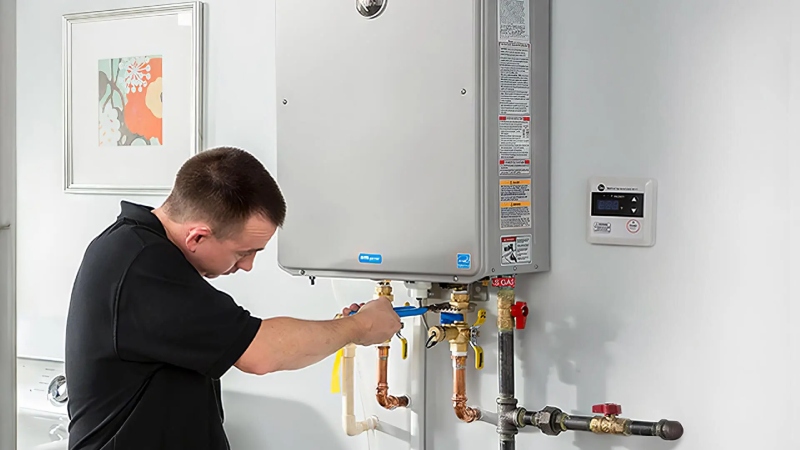
A worn-out unit rarely gives much warning, which is exactly why the smartest households start thinking about money long before theirs fails. Waiting until cold water forces a rushed purchase almost guarantees paying more than necessary. Families who plan ahead for gas hot water systems prices tend to make calmer, better decisions — spreading the cost, comparing options, and avoiding the panic premium that comes with an emergency. The way sensible households approach that planning is worth unpacking, because a little forethought goes a long way.
Starting the Conversation Before Trouble Strikes
The families who budget best are the ones who accept the inevitable early. No unit lasts forever, and treating replacement as a “when,” not an “if,” changes everything.
Acknowledging that reality months in advance gives a household time to research, save, and choose deliberately. It transforms an unwelcome shock into a manageable, planned expense.
Building a Realistic Picture of the Full Cost
Many people underestimate what a replacement truly involves by focusing only on the unit itself. A useful budget accounts for the whole picture.
Looking Beyond the Sticker Price
Alongside the appliance, families factor in installation, the removal of the old system, and any adjustments the home might need. Understanding that the final figure is more than the shelf price prevents unwelcome gaps between what was saved and what’s actually owed.
Setting Money Aside Gradually
For households that plan early, the cost rarely lands all at once. Small, regular contributions to a dedicated pool ease the burden considerably.
Tucking away a modest amount each month means that when the day arrives, the funds are already waiting. This steady approach spares families from scrambling or reaching for expensive last-minute credit.
Weighing Running Costs Into the Decision
A wise budget looks past the purchase to the years that follow. The cheapest unit to buy isn’t always the cheapest to live with.
Thinking through ongoing energy use helps families judge value properly. A slightly pricier, more efficient choice can ease monthly bills enough to justify the higher outlay over time, and budgeting families increasingly weigh both figures together.
Gathering and Comparing Quotes
Shopping around is where real savings often hide. Prices and inclusions vary between providers, and a single quote tells only part of the story.
Why More Than One Estimate Matters
Collecting several quotes lets families spot fair pricing and avoid overpaying. It also reveals what each offer actually includes, so comparisons are made on equal footing rather than headline numbers alone.
Timing the Replacement Strategically
When a family replaces can matter as much as what they buy. Those with the luxury of planning can watch for sales, seasonal offers, or quieter periods when installers may be more competitive.
Acting from a position of choice rather than desperation almost always pays off. An unhurried timeline lets a household wait for the right deal instead of accepting whatever’s available in a crisis.
Keeping a Buffer for the Unexpected
Even the best-laid plans meet surprises. Older homes in particular can reveal complications once work begins, nudging the final cost upward.
Prudent families build a small cushion into their budget for exactly this. A modest contingency means an unforeseen extra doesn’t derail the whole plan or force a compromise on quality.
Matching the Choice to Genuine Needs
Budgeting well also means being honest about what the household actually requires. Overbuying wastes money, while underbuying invites daily frustration and a premature second replacement.
A clear-eyed look at family size and usage keeps spending aligned with need. The goal is the right unit, not simply the cheapest or the most expensive one on offer.
Planning Today for an Easier Tomorrow
In the end, budgeting for a replacement is less about finding the lowest number and more about preparing sensibly. Families who anticipate the cost, research their options, and set money aside in good time consistently end up with better outcomes — a suitable system, a fair price, and none of the stress that ambushes those who wait until the hot water runs out.