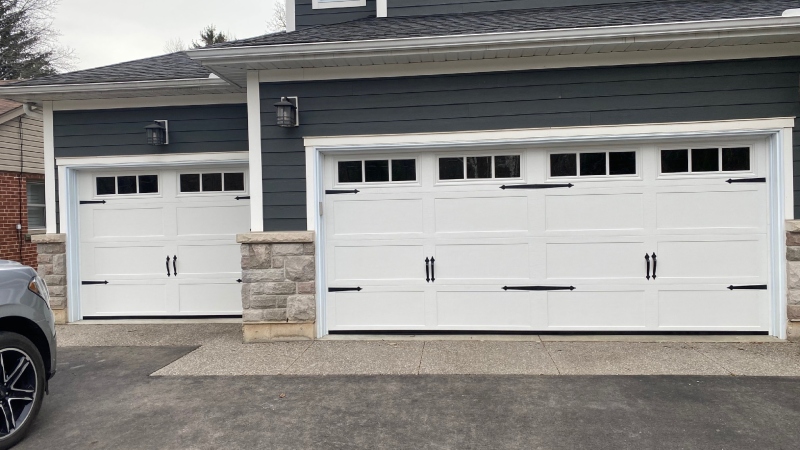
A garage door is often one of the first features people notice when they approach a home, and its design can influence everything from curb appeal to perceived property value.
Choosing a garage door Hamilton homeowners can rely on is therefore about more than simply securing a vehicle or storage area; the style, material, colour, insulation, and operating system can reveal a great deal about a property’s character, functionality, and the priorities of the people living there.
The Garage Door as Part of the Home’s Exterior
A garage door can occupy a surprisingly large portion of a property’s front-facing exterior. Because of its size, even a relatively simple design can have a major visual impact.
When the garage door complements the roof, windows, front entrance, and exterior finishes, the entire property can appear more cohesive.
On the other hand, a dated or poorly maintained door may make an otherwise attractive home look neglected.
Creating a Consistent Architectural Style
Different homes call for different garage door designs.
A contemporary property may suit clean lines, minimalist panels, and subtle colours, while a traditional home might benefit from raised panels, decorative hardware, or timber-inspired finishes.
The best choice is not necessarily the most expensive option. It is the one that works naturally with the architecture already present.
What Material Choice Can Communicate
The material used for a garage door can affect both appearance and performance.
Steel is widely valued for its strength and durability, while aluminium can offer a lighter and more contemporary appearance. Timber can provide warmth and character, although it may require more maintenance depending on the finish and environmental conditions.
Balancing Appearance With Practicality
Homeowners often have to balance aesthetics with their lifestyle.
Someone who wants a traditional appearance may prefer a timber-look finish without wanting the maintenance associated with natural wood. Another homeowner may prioritise durability and choose a robust material designed to withstand everyday use.
The material can therefore reflect both personal taste and practical priorities.
Colour Can Change the Property’s Character
Colour is another detail that can have a surprisingly strong effect on how a house looks.
A garage door that matches the home’s exterior can create a subtle and sophisticated appearance. A contrasting colour can make the garage a deliberate architectural feature.
Neutral Shades for Timeless Appeal
Neutral colours such as white, grey, black, beige, or muted tones can work across many architectural styles.
They can also make future exterior changes easier because the garage door is less likely to clash with new paint, landscaping, or facade treatments.
Bold colours can also work, particularly when they complement other elements of the property rather than appearing completely disconnected from them.
Garage Doors Can Reflect Maintenance Priorities
The condition of a garage door can say almost as much as its original design.
A clean, well-maintained door suggests that the homeowner pays attention to the property’s exterior. Rust, damaged panels, peeling finishes, broken hardware, or unusual operating noises can have the opposite effect.
Regular maintenance can therefore contribute to the overall impression of a well-cared-for home.
Small Problems Should Not Be Ignored
A garage door that becomes noisy, slow, uneven, or difficult to open may be showing signs of a mechanical issue.
Ignoring these symptoms can allow a relatively minor problem to become more expensive or inconvenient.
Regular inspections and timely repairs can help keep the system operating safely and reliably.
Modern Features Say Something About Convenience
Today’s garage doors can offer considerably more than basic manual operation.
Automatic openers, remote controls, smart-home connectivity, safety sensors, battery backup systems, and other technologies can make daily use more convenient.
A homeowner who chooses these features may be prioritising accessibility, security, and integration with the rest of their home technology.
Smart Access for Modern Lifestyles
Smart garage systems can allow homeowners to monitor or control access through connected devices, depending on the equipment installed.
This can be particularly useful for households where family members, deliveries, tradespeople, or service providers need controlled access to the garage.
Insulation Can Reflect Energy Awareness
A garage door can also contribute to the thermal performance of the space behind it.
Insulated garage doors can help reduce heat transfer through the door, which may be particularly relevant when the garage is attached to the home or used as a workshop, office, gym, or additional living area.
More Than a Place to Park the Car
Modern homeowners increasingly use garages for purposes beyond vehicle storage.
A well-insulated and appropriately designed garage can become a more comfortable environment for hobbies, storage, exercise, or work.
This makes the garage door part of the broader functionality of the property rather than simply an entrance for vehicles.
Security Is Another Important Consideration
The garage can provide access to vehicles, tools, bicycles, equipment, and sometimes an internal entrance into the home.
For that reason, homeowners may consider security features when selecting a new garage door.
Strong construction, reliable locking mechanisms, safety sensors, and secure automatic opener systems can all contribute to a more protected property.
Security Without Sacrificing Style
Modern garage doors demonstrate that security does not have to mean compromising on appearance.
Homeowners can choose attractive designs while still considering structural strength, access control, and reliable operating mechanisms.
Size and Proportion Matter
The dimensions of a garage door can affect how balanced the front of a property appears.
A large double garage naturally creates a significant visual element, while a single garage door may have a more understated presence.
Choosing panel layouts and finishes that suit the proportions of the building can make the overall facade feel more intentional.
Working With the Existing Architecture
Before selecting a design, homeowners should consider rooflines, windows, exterior cladding, brickwork, landscaping, and the front entrance.
The garage door should feel like part of the property rather than an isolated feature attached to it.
The Choice Can Influence First Impressions
When people view a home, they often form an impression within seconds.
A modern, well-maintained garage door can contribute to a polished exterior, while a damaged or outdated one may immediately draw attention for the wrong reasons.
This matters particularly when preparing a property for sale.
Supporting Kerb Appeal
Improving a garage door can be a relatively noticeable exterior upgrade because of its size and position.
While it should not be viewed as a guaranteed investment return, an attractive and functional door can contribute positively to the overall presentation of a property.
Choosing for Long-Term Value
A garage door should not be selected purely according to current trends.
Styles change, but a durable design that complements the property’s architecture can remain attractive for many years.
Homeowners should consider expected maintenance, operating frequency, weather exposure, security, insulation, and replacement parts alongside appearance.
Think Beyond the Initial Purchase
The cheapest option is not always the most economical over its entire lifespan.
A door that requires frequent repairs or has a shorter expected service life may ultimately cost more than a higher-quality option that performs reliably for longer.
Looking at durability and ongoing maintenance can therefore be just as important as the initial purchase price.
A Garage Door Is Part of the Property’s Identity
A garage door may seem like a functional necessity, but it can communicate much more about a home.
Its design can demonstrate architectural taste, while its condition can suggest how well the property is maintained. Technology can highlight a preference for convenience, and insulation or durable materials can reflect practical priorities.
Ultimately, choosing a garage door is an opportunity to combine appearance, security, comfort, and everyday functionality. When the design works harmoniously with the rest of the property, the result is not simply a better garage entrance—it is a more complete and considered exterior.