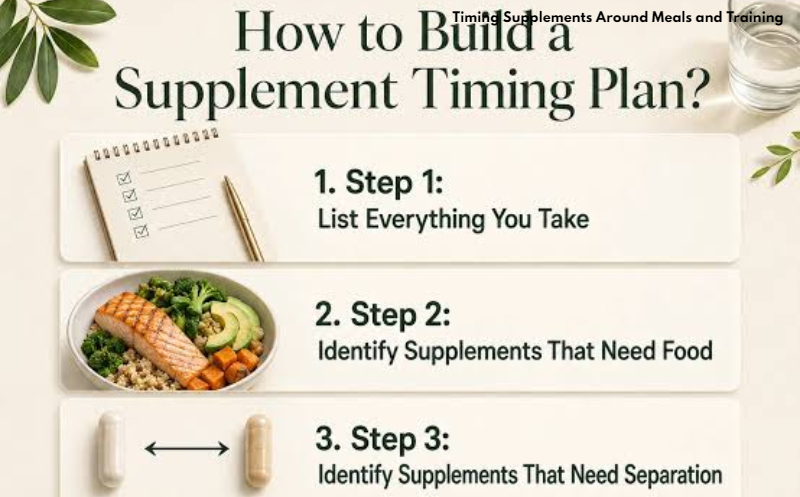
Walk into any gym or browse fitness forums online, and you will quickly find discussions about supplement timing. Some people swear by taking specific products at exact times, while others argue that timing does not matter at all. The truth lies somewhere in the middle.
While a solid diet remains the foundation of health and athletic performance, supplement timing can help maximize the benefits of certain products. Understanding when to take supplements around meals and training sessions can improve absorption, support recovery, and help you get more value from your nutrition plan.
Does Supplement Timing Really Matter?
Not all supplements require precise timing. Many work by building up in the body over time rather than creating immediate effects. Consistency is often more important than the exact hour you take them.
However, some supplements perform best when taken before, during, or after exercise. Others absorb more effectively when paired with food. Knowing the difference can help you avoid common mistakes.
Pre-Workout Supplements
Pre-workout supplements are designed to enhance energy, focus, and exercise performance.
Most pre-workout formulas contain ingredients such as:
- Caffeine
- Beta-alanine
- Citrulline malate
- Creatine
- B vitamins
For best results, take a pre-workout supplement about 30 to 60 minutes before training. This allows the active ingredients enough time to enter the bloodstream and begin working.
If the product contains caffeine, avoid taking it too close to bedtime, as it may interfere with sleep quality.
Protein: Before or After Training?
Protein is one of the most widely used fitness supplements, and many people wonder whether timing matters.
Research suggests that total daily protein intake is more important than consuming protein at a precise moment. However, eating protein relatively close to your workout can support muscle repair and recovery.
Many athletes consume protein:
- One to two hours before training
- Within a few hours after training
A protein shake can be a convenient option after exercise, especially when a full meal is not immediately available.
Creatine Timing
Creatine remains one of the most researched and effective sports supplements available.
Unlike stimulants, creatine does not provide an immediate performance boost after a single dose. Instead, it works by increasing stored phosphocreatine levels in the muscles over time.
Because of this, consistency matters more than timing.
Many people take creatine:
- After training with a meal or shake
- At any convenient time on rest days
Taking creatine alongside carbohydrates and protein may help improve uptake, but the difference is generally small compared to maintaining daily use.
Supplements That Work Best With Meals
Certain supplements absorb more effectively when consumed with food.
Fat-Soluble Vitamins
Vitamins A, D, E, and K require dietary fat for proper absorption.
Taking these vitamins alongside a meal containing healthy fats may improve effectiveness.
Examples of healthy fats include:
- Avocados
- Nuts
- Seeds
- Olive oil
- Fatty fish
Fish Oil
Omega-3 supplements are often better tolerated when taken with meals.
Food can reduce digestive discomfort and may improve absorption of the beneficial fatty acids.
Multivitamins
Many multivitamins contain both fat-soluble and water-soluble nutrients. Taking them with a meal often enhances absorption and reduces the chance of stomach irritation.
Supplements Often Taken on an Empty Stomach
Some supplements may work best when food is not competing for absorption.
Certain Amino Acids
Products containing specific amino acids are sometimes taken before training or between meals. This may help speed absorption.
Probiotics
Recommendations vary depending on the probiotic strain and product formulation. Some manufacturers suggest taking probiotics before meals, while others recommend taking them with food.
Following the directions provided on the label is usually the best approach.
During-Workout Supplements
Most recreational exercisers do not need supplements during training sessions lasting less than an hour.
However, endurance athletes and those participating in long or intense workouts may benefit from:
- Electrolyte drinks
- Carbohydrate beverages
- Branched-chain amino acids (in some situations)
These products can help maintain hydration and energy during extended exercise sessions.
Post-Workout Recovery Nutrition
The period after training is often associated with recovery nutrition.
A balanced post-workout meal may include:
- High-quality protein
- Carbohydrates
- Fluids
- Electrolytes when needed
The goal is to replenish energy stores and support muscle repair. While the idea of a narrow “anabolic window” has been exaggerated in the past, eating within a reasonable timeframe after exercise can still be beneficial.
Common Supplement Timing Mistakes
Many people make timing more complicated than necessary.
Some common mistakes include:
Skipping Meals
Taking supplements cannot compensate for poor nutrition. Whole foods should remain the priority.
Taking Everything at Once
Combining every supplement into a single serving may not provide optimal absorption or comfort.
Ignoring Product Instructions
Manufacturers often provide timing recommendations based on how the product was formulated.
Focusing on Timing Instead of Consistency
Daily adherence usually produces better results than obsessing over exact minutes before or after training.
Creating a Practical Supplement Schedule
A simple approach often works best.
Morning
- Multivitamin with breakfast
- Fish oil with a meal
- Vitamin D with food containing fat
Before Training
- Pre-workout supplement if desired
- Water and proper hydration
After Training
- Protein shake or protein-rich meal
- Creatine if part of your routine
Evening
- Any remaining supplements recommended by your healthcare provider
The ideal schedule depends on individual goals, training times, and dietary habits.
Conclusion
Timing supplements around meals and training can improve their effectiveness, but it should never overshadow the basics of good nutrition. Protein, creatine, vitamins, fish oil, and pre-workout products each have slightly different timing considerations, yet consistency remains the most important factor.
Rather than chasing a perfect schedule, focus on meeting your nutritional needs, following product directions, and maintaining a routine you can sustain. When combined with a balanced diet and regular exercise, smart supplement timing can support performance, recovery, and long-term health goals.