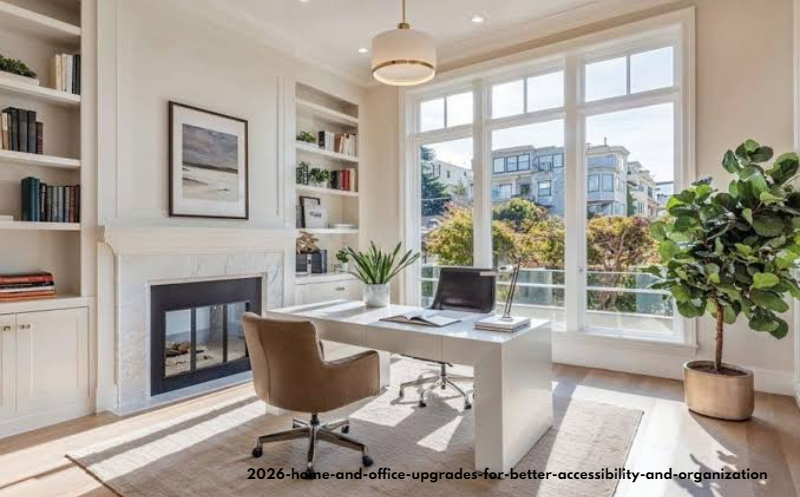
As homes and workplaces continue to evolve, accessibility and organization have become top priorities for many people. Whether you are working remotely, managing a busy household, or creating a more inclusive environment, thoughtful upgrades can significantly improve comfort, efficiency, and productivity.
In 2026, the focus is shifting toward practical improvements that make everyday tasks easier while creating spaces that work for people of all ages and abilities. From smart storage solutions to accessibility-focused design features, these upgrades can help transform both homes and offices into more functional environments.
Why Accessibility and Organization Matter
A well-organized and accessible space does more than look attractive. It reduces stress, saves time, and supports independence. Cluttered environments can make daily tasks more difficult, while poorly designed spaces may create unnecessary barriers for individuals with mobility, vision, or other accessibility needs.
By investing in thoughtful upgrades, homeowners and businesses can create spaces that are easier to navigate, maintain, and enjoy.
Smart Storage Solutions
Storage remains one of the most effective ways to improve organization.
Modular Shelving Systems
Modular shelving allows users to customize storage according to their needs. Adjustable shelves can accommodate changing requirements over time, making them ideal for both homes and offices.
Vertical Storage
Using wall space effectively helps free up valuable floor area. Floating shelves, wall-mounted cabinets, and pegboard systems can keep frequently used items accessible while reducing clutter.
Hidden Storage Features
Furniture with built-in storage continues to grow in popularity. Storage benches, ottomans, and desks with concealed compartments help maximize space without sacrificing style.
Accessibility-Focused Home Upgrades
Accessibility improvements benefit everyone, not just individuals with disabilities.
Wider Doorways
Wider entrances make movement easier for wheelchair users, people using walkers, and families moving large items throughout the home.
Lever-Style Door Handles
Lever handles are easier to operate than traditional round knobs. They provide convenience for people with limited hand strength while remaining practical for all users.
Improved Lighting
Good lighting enhances safety and visibility. Motion-sensor lights, under-cabinet lighting, and brighter workspaces can reduce accidents and improve functionality.
Step-Free Entryways
Step-free entrances create easier access for individuals with mobility challenges while also helping parents with strollers and anyone carrying heavy items.
Technology Upgrades for Better Functionality
Smart technology continues to play a major role in accessibility and organization.
Voice-Controlled Devices
Voice assistants can help users control lighting, temperature, security systems, and other smart home functions without needing physical switches or controls.
Smart Scheduling Systems
Digital calendars and automated reminders help families and office teams stay organized. Shared scheduling platforms improve communication and reduce missed appointments.
Automated Lighting
Smart lighting systems can adjust brightness levels automatically and respond to voice commands, creating a more convenient environment.
Smart Security Features
Video doorbells, remote locks, and security monitoring systems provide convenience while improving safety for both homes and workplaces.
Home Office Improvements for 2026
Remote and hybrid work remain common, making home office organization increasingly important.
Ergonomic Furniture
Adjustable desks and supportive office chairs help reduce physical strain during long work sessions. Comfort often leads to improved productivity.
Cable Management Systems
Visible cables can create clutter and safety hazards. Cable trays, sleeves, and desk organizers help maintain a cleaner workspace.
Dedicated Work Zones
Creating clearly defined work areas helps separate professional responsibilities from personal life. Even small spaces can benefit from designated workstations.
Digital Organization Tools
Cloud storage platforms, task management apps, and digital filing systems reduce paper clutter and make information easier to access.
Accessible Office Design Trends
Businesses are increasingly adopting inclusive workplace designs.
Adjustable Workstations
Height-adjustable desks accommodate employees with different physical needs and preferences.
Clear Pathways
Open layouts with unobstructed walkways improve mobility and accessibility throughout the workplace.
Inclusive Meeting Spaces
Modern conference rooms often include accessible seating arrangements, captioning technology, and improved audio systems to support diverse needs.
Easy-to-Read Signage
Clear, high-contrast signs help visitors and employees navigate office environments more easily.
Decluttering Strategies That Work
Even the best upgrades are most effective when paired with good organizational habits.
Helpful strategies include:
- Regularly removing unused items
- Labeling storage containers
- Creating designated spaces for frequently used items
- Implementing simple filing systems
- Conducting seasonal organization reviews
Small organizational habits can prevent clutter from building up over time.
Sustainability and Accessibility Together
Many 2026 upgrades combine accessibility with environmentally responsible design.
Examples include:
- Energy-efficient lighting systems
- Sustainable building materials
- Smart thermostats
- Durable, long-lasting furniture
- Water-saving fixtures
These improvements support both convenience and environmental goals.
Planning for Future Needs
One of the smartest approaches to home and office design is planning for future changes. Families grow, careers evolve, and accessibility needs may change over time.
Flexible layouts, adaptable furniture, and universal design principles help ensure spaces remain functional for years to come. Investing in accessibility today can prevent costly modifications in the future.
Conclusion
The best 2026 home and office upgrades focus on making daily life easier, safer, and more organized. Smart storage solutions, accessible design features, ergonomic furniture, and modern technology all contribute to spaces that support productivity and comfort.
Rather than following short-term trends, homeowners and businesses are increasingly choosing upgrades that provide lasting value. By prioritizing accessibility and organization, it is possible to create environments that work better for everyone while improving efficiency, independence, and overall quality of life.