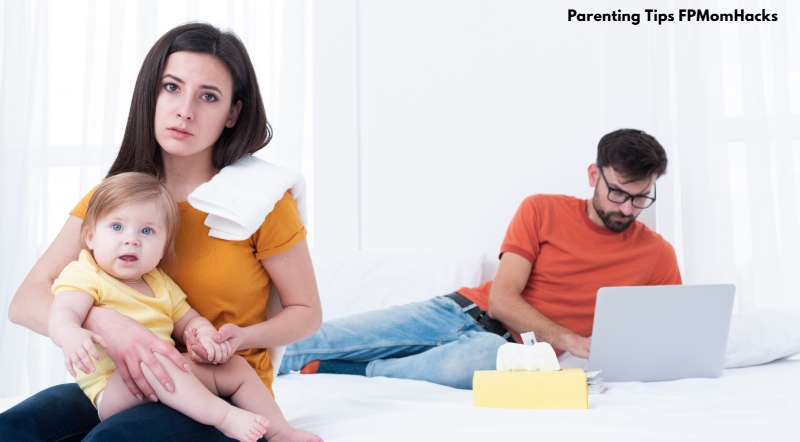
Parenting is one of the most beautiful journeys in life, but it also comes with endless responsibilities, emotional challenges, and daily learning experiences. Every parent wants to raise children who are confident, respectful, emotionally strong, and successful in life. However, in today’s fast-moving world filled with digital distractions, busy schedules, and social pressure, parenting can sometimes feel overwhelming. This is where smart and realistic parenting strategies become important, and that is why many families are now searching for helpful resources like parenting tips FPMomHacks.
The idea behind parenting hacks is not about becoming a perfect parent because perfection does not exist. Instead, it focuses on making parenting easier, healthier, and more balanced through practical daily habits. Whether you are raising a toddler, a school-going child, or a teenager, small parenting improvements can create a huge positive impact on your child’s behavior, emotional health, and future personality.
Understanding the Real Meaning of Modern Parenting
Modern parenting is very different from traditional parenting styles that relied mostly on strict discipline and fixed rules. Today, parents are expected to build emotional connections with their children while also teaching responsibility, independence, and respect. Children need guidance, but they also need understanding and emotional support.
One of the most valuable parenting tips FPMomHacks encourages is creating a healthy balance between discipline and friendship. Parents who communicate openly with their children often develop stronger trust and better long-term relationships. Children who feel emotionally safe at home are more likely to share their problems, fears, and achievements without hesitation.
Instead of controlling every aspect of a child’s life, modern parenting focuses on guiding children with patience and positive reinforcement. This approach not only improves behavior but also strengthens emotional intelligence and confidence.
Why Daily Communication Matters So Much
Many parenting problems begin when communication becomes weak inside the home. Busy routines, mobile phones, work stress, and school responsibilities can reduce meaningful family conversations. Children may start feeling ignored even when parents deeply care about them.
One of the simplest yet most effective parenting strategies is spending quality time talking to your child every day. This does not require expensive activities or long family trips. Even a simple dinner conversation, bedtime discussion, or short walk together can build emotional trust.
Children who communicate regularly with their parents usually develop stronger problem-solving skills and healthier emotional control. They also become less likely to hide issues related to school pressure, friendships, or online activity.
Parents should avoid judging children too quickly during conversations. Instead, listening calmly and responding with understanding helps children feel respected and valued.
Creating Healthy Routines for Better Family Life
Children naturally perform better when they live with consistent routines. Predictable schedules help children feel secure because they know what to expect throughout the day. Healthy routines also reduce stress for parents by improving organization and minimizing daily conflicts.
Morning routines, homework schedules, bedtime habits, and meal timings all play important roles in a child’s development. One of the most recommended parenting tips FPMomHacks involves creating routines that are realistic instead of overly strict.
For example, children who sleep on time usually perform better academically and emotionally. Similarly, regular family meals improve communication and strengthen relationships between parents and children.
Parents should also include fun activities inside routines so children do not feel trapped by rules. Reading together, outdoor play, family games, or storytelling can make routines enjoyable while supporting healthy emotional growth.
Positive Discipline Works Better Than Constant Punishment
Many parents believe strict punishment automatically improves behavior, but research and real-life experiences often show the opposite. Children who constantly experience yelling, fear, or harsh punishment may become emotionally distant, anxious, or rebellious.
Positive discipline focuses on teaching instead of frightening. It encourages parents to explain consequences clearly while helping children understand responsibility. For example, instead of shouting when a child makes a mistake, parents can calmly discuss what happened and guide them toward better choices.
This parenting method helps children develop self-control and emotional maturity. It also reduces anger and conflict inside the home environment.
Consistency is very important in discipline. Children become confused when rules constantly change or when parents react differently to similar situations. Clear expectations and calm communication usually create much better results than emotional reactions.
Managing Screen Time Without Daily Arguments
Technology has become a major part of modern childhood. Smartphones, tablets, video games, and social media can provide entertainment and educational benefits, but excessive screen time may negatively affect sleep, focus, behavior, and physical activity.
One practical parenting tip FPMomHacks recommends is setting balanced digital boundaries instead of banning technology completely. Children are more likely to follow screen rules when parents explain the reasons behind them.
Parents can encourage healthier technology habits by creating screen-free family times, such as during meals or before bedtime. Outdoor activities, sports, hobbies, and reading can also reduce unhealthy screen dependence naturally.
Another important strategy is becoming involved in children’s digital lives. Parents should understand which games, apps, or online platforms their children are using and maintain open conversations about internet safety and online behavior.
Building Confidence in Children Through Encouragement
Children develop confidence when they feel supported, appreciated, and emotionally accepted. Unfortunately, some parents unintentionally focus more on mistakes than achievements. Constant criticism may slowly damage a child’s self-esteem and motivation.
Encouragement does not mean praising everything without reason. Instead, it means recognizing effort, improvement, honesty, creativity, and responsibility. Even small achievements deserve appreciation because they help children feel capable and valued.
Parents should avoid comparing children with siblings, classmates, or relatives because comparisons often create insecurity and emotional pressure. Every child has a unique personality, learning speed, and talent.
Supportive parenting creates emotionally strong children who are more willing to try new experiences, face challenges, and recover from failures confidently.
KazGrowMag is an online magazine featuring informative content on technology, gaming, digital trends, and lifestyle topics. It offers readers useful insights, practical information, and engaging articles covering a wide range of modern interests.
Teaching Emotional Intelligence at an Early Age
Academic success is important, but emotional intelligence is equally valuable for long-term happiness and relationship success. Children need to learn how to understand emotions, manage anger, handle disappointment, and respect the feelings of others.
One effective parenting strategy involves teaching children to express emotions openly instead of suppressing them. Parents should create a safe environment where children feel comfortable discussing sadness, fear, frustration, or anxiety.
When parents model calm behavior during stressful situations, children naturally learn emotional control through observation. Children copy what they see more than what they hear.
Activities like storytelling, role-playing, and family discussions can help children improve empathy, communication skills, and emotional awareness from a young age.
The Importance of Self-Care for Parents
Many parents become so focused on caring for their children that they completely ignore their own physical and emotional health. Exhausted and stressed parents often struggle to remain patient, calm, and emotionally available.
Self-care is not selfish. Parents who maintain healthy sleep, balanced routines, and personal relaxation usually handle parenting responsibilities more effectively. Even small breaks, hobbies, exercise, or peaceful moments can improve mental energy and emotional balance.
Children also benefit when they observe healthy self-care habits because they learn the importance of emotional wellness and stress management.
A healthy parent often creates a healthier home environment.
Final Thoughts
Parenting Tips FPMomHacks is not about being flawless every single day. It is about showing love, guidance, patience, and consistency while learning through each stage of your child’s growth. Every family faces challenges, mistakes, and emotional moments, but small positive changes can transform family life in powerful ways.
The best parenting tips FPMomHacks are the ones that focus on real-life solutions instead of unrealistic perfection. Strong communication, positive discipline, emotional support, healthy routines, and balanced technology habits all contribute to raising confident and emotionally secure children.
Children may not remember every rule or lecture, but they will always remember how their parents made them feel. A loving and supportive home remains the strongest foundation for a child’s future success and happiness.