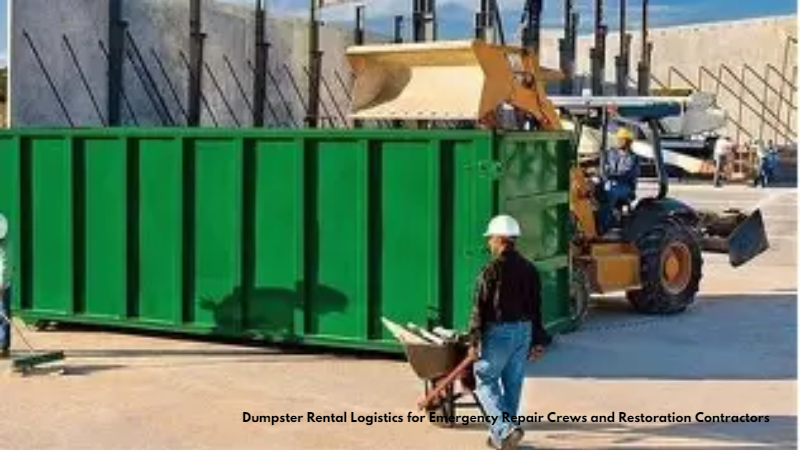
Emergency repair and restoration work moves quickly because the property has already experienced damage or disruption. A fire, flood, storm, burst pipe, roof leak, vehicle impact, or structural issue can leave contractors working under pressure to stabilize the site, remove damaged materials, and prepare the property for repair. In those situations, debris removal cannot be treated as a minor detail.
Restoration contractors need a disposal plan that supports rapid response, safe access, and changing site conditions. Damaged drywall, flooring, insulation, cabinetry, roofing materials, personal property, packaging, and demolition debris can accumulate fast. When dumpster rental logistics are handled early, crews can work more efficiently and keep damaged materials from spreading across the property.
Why Emergency Repair Debris Requires Fast Planning
Emergency repair projects often begin before the full scope is known. A crew may arrive to stop further damage, remove wet materials, board up openings, tarp a roof, or begin selective demolition. As work progresses, the amount of debris may grow.
Unlike planned renovation work, emergency repairs often involve urgency, uncertainty, and limited staging space. Property owners may still be emotional, occupants may need access to certain areas, and insurance documentation may be part of the process. Debris removal must support the work without creating more confusion.
A clear dumpster plan helps restoration teams keep damaged materials controlled while the project develops.
Reviewing the Damage Area First
Before choosing dumpster placement or service timing, restoration contractors should review the affected areas. The type of damage will shape the debris plan. Water damage may involve wet carpet, drywall, insulation, baseboards, cabinets, flooring, and damaged contents. Fire damage may include charred materials, smoke-damaged fixtures, wall finishes, and structural components. Storm damage may create roofing debris, siding, branches, fencing, and exterior materials.
This first review does not need to be perfect, but it should identify where the highest debris volume is likely to come from. Contractors should also note tight access points, blocked entries, soft ground, overhead obstacles, and areas that need to remain available for equipment.
The better the first review, the easier it is to place the dumpster where it helps instead of gets in the way.
Coordinating Dumpster Delivery with Emergency Response
Timing matters on emergency repair jobs. If crews begin removing damaged materials before a disposal container is available, waste may pile up in rooms, hallways, driveways, garages, or yards. Those temporary piles then have to be moved again, wasting time during a project that already needs speed.
Coordinating dumpster delivery early gives crews a direct place to load approved debris as soon as removal begins. This is especially important when wet or damaged materials need to leave the property quickly so mitigation and repair work can continue.
Working with providers such as Waste Removal USA can help restoration contractors plan dumpster rental support around emergency repair timelines, changing debris loads, and active jobsite access. The goal is to reduce extra handling and keep crews focused on the next step.
Choosing Placement That Supports Crew Movement
Dumpster placement should make debris removal efficient without blocking emergency repair work. Restoration sites may already have limited access because of water extraction equipment, drying equipment, temporary power, tarps, board-up materials, vehicles, and repair crews. A dumpster placed in the wrong location can interfere with everything else.
Contractors should choose a firm, accessible spot that allows workers to load debris without carrying materials too far. The location should also allow service trucks to deliver and remove the container safely. Driveways, parking lots, side yards, and commercial loading areas may work, depending on the property.
Placement should be reviewed as the job changes. A good location during initial mitigation may not remain ideal during reconstruction.
Keeping Access Routes Clear
Emergency repair sites need clear access routes. Crews may be carrying wet drywall, damaged flooring, tools, equipment, containment materials, and replacement supplies. If debris blocks hallways, doorways, stairs, or exterior paths, work slows down and the site becomes harder to manage.
Contractors should establish direct debris routes from affected areas to the dumpster. These routes should avoid clean areas whenever possible and should be protected when crews must pass through finished spaces. Keeping routes open also helps supervisors, adjusters, property owners, and other trades move through the site safely.
Clear debris routes are especially important when multiple crews are working at the same time.
Managing Water-Damaged Materials
Water damage restoration often produces heavy, messy debris. Wet drywall, soaked insulation, saturated carpet, damaged cabinets, flooring, trim, and contents can be difficult to move and may add weight quickly. These materials should be removed in a controlled way so they do not spread moisture or contamination into unaffected areas.
Projects involving cleaning up after a flood may require careful sorting, documentation, and removal of damaged materials before rebuilding can begin. Restoration contractors should plan disposal capacity around the amount of wet debris expected, not just how much dry material the space would normally contain.
Wet materials can fill a dumpster faster than expected because they are bulky and heavy.
Planning for Fire and Smoke Damage Debris
Fire and smoke restoration can create a different waste challenge. Burned materials, damaged finishes, insulation, cabinets, doors, windows, flooring, roofing, and smoke-affected contents may need removal. Some materials may be fragile, dirty, or difficult to sort.
Contractors should keep fire-damaged debris contained and remove it from the work area promptly. This improves access for cleaning, odor treatment, structural assessment, and repair. If multiple areas of the property are affected, crews may need to prioritize debris removal in the rooms that must be stabilized first.
A disciplined disposal plan helps separate removal work from cleaning and repair phases.
Handling Storm and Exterior Repair Debris
Storm response may include damaged roofing, siding, gutters, fencing, branches, outdoor furniture, trim, insulation, and building materials. Exterior debris can spread across the property if it is not collected and loaded efficiently. Wind and rain can make loose debris even harder to control.
Contractors should choose dumpster placement that supports exterior cleanup without blocking emergency tarping, roof access, tree work, or equipment movement. On commercial properties, placement should also avoid customer entrances, tenant access, loading zones, and fire lanes.
A clean exterior work area helps the site look more controlled even before repairs are complete.
Accounting for Documentation and Sorting
Restoration work often involves documentation. Contractors may need photos, inventories, owner decisions, or insurance-related records before certain materials are discarded. This can affect how debris is staged and loaded.
A practical system helps crews avoid mixing materials too quickly. Items needing review can be kept in a designated area, while clearly approved debris can move directly to the dumpster. Contractors should communicate with property owners and relevant parties before removing materials that may need documentation.
Good sorting protects the workflow and reduces confusion during a stressful project.
Scheduling Swaps Before the Dumpster Is Full
Emergency repair work can produce debris in bursts. Once demolition or removal begins, a container may fill quickly. Waiting until it is completely full before arranging service can cause crews to stop loading or create temporary piles.
Restoration contractors should monitor fill levels throughout the day during heavy removal phases. If the container is filling faster than expected, scheduling a swap early can prevent downtime. On larger losses, more than one pickup or container exchange may be needed.
A full dumpster should never become the reason emergency repair work slows down.
Coordinating With Other Crews and Trades
Emergency repair sites often involve several teams. Mitigation crews, demolition crews, roofers, plumbers, electricians, HVAC contractors, structural repair crews, cleaners, and reconstruction teams may all work on the property. Each group may generate debris or need access through the same areas.
Contractors should define who may use the dumpster, what materials can go inside, and how cleanup responsibilities will be handled. Without clear rules, one crew may fill the container before another phase begins. Shared use requires shared expectations.
Coordination keeps debris removal from becoming another jobsite conflict.
Avoiding Restricted or Questionable Materials
Some materials should not be placed in a standard dumpster. Chemicals, certain electronics, fuel containers, paint, batteries, tires, hazardous materials, and some appliances may need separate handling depending on local rules and rental guidelines. Emergency repair work can uncover these items unexpectedly.
Restoration contractors should set questionable materials aside until proper handling is confirmed. This is especially important in garages, basements, utility rooms, commercial storage areas, and storm-damaged properties where mixed materials may be present.
Keeping restricted items separate prevents disposal problems later.
Maintaining a Professional Site During Stressful Work
Property owners often judge restoration work not only by the finished repair but by how the contractor manages the site during the emergency. A controlled debris area, clear paths, and an organized dumpster setup can make a damaged property feel less chaotic.
Crews should avoid leaving debris scattered near entrances, sidewalks, driveways, or unaffected rooms. The dumpster area should be monitored for overflow, loose materials, and windblown debris. Even when the project is urgent, a clean setup reflects professionalism.
Good debris logistics can help build confidence during a difficult situation.
Dumpster rental logistics are a critical part of emergency repair and restoration work. Contractors often face uncertain conditions, heavy debris, limited access, documentation needs, and urgent timelines. Without a plan, damaged materials can crowd the site, slow mitigation, and make the property harder to manage.
By reviewing the damage area, coordinating delivery early, choosing practical placement, keeping debris routes clear, monitoring capacity, and adjusting as the scope changes, restoration contractors can support faster and more organized emergency response. A reliable dumpster plan helps crews remove damaged materials efficiently and move the property closer to repair. For more details, Click here