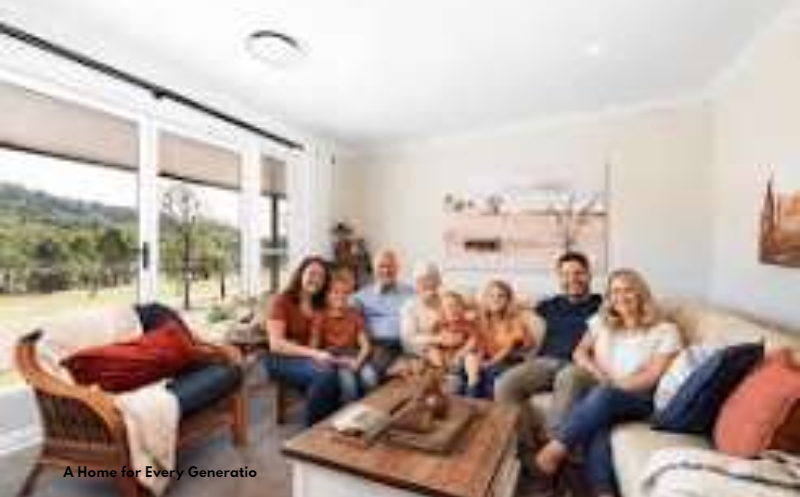
Home means different things to different people. Children see home as a place of safety and learning. Parents view it as the center of responsibilities, routines, and family life. Older adults often treasure it as a source of comfort, familiarity, and cherished memories. A truly successful home is one that meets the needs of everyone who lives there. This idea lies at the heart of A Home for Every Generation.
As families evolve and living arrangements change, more people are recognizing the value of creating homes that support multiple generations. These homes provide practical benefits, strengthen family relationships, and offer a flexible solution for modern living.
Understanding Multigenerational Living
Multigenerational living refers to households where two or more generations of a family live together. This may include grandparents, parents, children, and sometimes even extended relatives.
While multigenerational households have existed for centuries in many cultures, they are becoming increasingly common worldwide. Economic factors, caregiving responsibilities, and the desire for stronger family connections have encouraged many families to consider living together under one roof.
The concept of a home for every generation goes beyond simply sharing a house. It focuses on creating a living environment where each family member feels comfortable, respected, and supported.
Why Families Choose Multigenerational Homes
Many families discover that living together offers advantages that extend far beyond financial savings.
Stronger Family Connections
Living in close proximity allows family members to spend more time together. Grandparents can share stories, traditions, and life experiences with younger generations. Children gain valuable guidance, while older adults remain actively involved in family life.
These daily interactions often build stronger emotional bonds and create memories that last a lifetime.
Shared Responsibilities
Managing a household becomes easier when responsibilities are shared. Family members can help with childcare, cooking, household maintenance, transportation, and caregiving.
This teamwork reduces stress and creates a support system that benefits everyone.
Financial Stability
Housing expenses continue to rise in many areas. Sharing costs such as mortgage payments, rent, utilities, and maintenance can make homeownership more affordable.
Families can often invest in larger or better-equipped homes when they combine resources, creating a more comfortable living environment for all generations.
Designing a Home for Every Age Group
Creating a home that works for multiple generations requires thoughtful planning. Each stage of life brings unique needs, and a successful design accommodates them without compromising comfort.
Safe and Accessible Features
Older adults may benefit from accessibility features that improve mobility and safety. These can include:
- Step-free entrances
- Wider doorways
- Non-slip flooring
- Well-lit hallways
- Accessible bathrooms
These features not only support seniors but also make the home more convenient for everyone.
Child-Friendly Spaces
Children need safe areas where they can learn, play, and explore. Organized storage, study spaces, and secure outdoor areas help create an environment that supports healthy development.
A well-designed family home balances safety with opportunities for creativity and growth.
Flexible Living Areas
Family needs change over time. A nursery may become a study room, and a guest room may later serve as a caregiver’s space.
Flexible rooms allow homeowners to adapt their living spaces as circumstances evolve. This adaptability makes the home valuable for many years.
The Importance of Privacy
One common concern about multigenerational living is privacy. While family connection is important, personal space is equally valuable.
Successful homes often include:
- Private bedrooms
- Separate living areas
- Quiet workspaces
- Independent entrances when possible
These features help family members maintain independence while still enjoying the benefits of living together.
Supporting Aging in Place
Many older adults prefer to remain in familiar surroundings rather than move to assisted living facilities. A home designed for every generation makes this possible.
Aging in place allows seniors to stay close to loved ones while maintaining their routines and independence. Family members can provide support when needed, creating a safer and more comfortable living arrangement.
This approach often improves emotional well-being and helps older adults remain engaged in family activities.
Building a Sense of Belonging
A home is not only about physical space. It is also about creating an environment where everyone feels valued.
Simple traditions can strengthen family connections:
- Sharing meals together
- Celebrating birthdays and holidays
- Participating in family activities
- Encouraging open communication
- Respecting each person’s contributions
These practices help create a strong sense of belonging across generations.
Preparing for the Future
One of the greatest advantages of a multigenerational home is its flexibility. Families can adapt to changing needs without major disruptions.
Whether welcoming a new baby, supporting aging parents, or accommodating adult children returning home, a thoughtfully designed house can evolve alongside the family.
Planning for the future ensures that the home remains functional, comfortable, and welcoming for years to come.
Challenges and Practical Solutions
Like any living arrangement, multigenerational households can face challenges. Differences in schedules, lifestyles, and expectations may occasionally create tension.
Families can address these issues by:
- Establishing clear household guidelines
- Respecting personal boundaries
- Communicating openly
- Sharing responsibilities fairly
- Scheduling regular family discussions
Strong communication helps prevent misunderstandings and promotes harmony within the household.
The Future of Family Living
As demographics, housing markets, and family structures continue to change, the demand for homes that accommodate multiple generations is likely to grow.
Builders, architects, and homeowners increasingly recognize the value of flexible designs that support people at every stage of life. The concept of a home for every generation reflects a broader shift toward family-centered living and long-term planning.
Conclusion
A Home for Every Generation is more than a housing concept. It is a thoughtful approach to creating spaces where children, parents, grandparents, and extended family members can thrive together. By combining accessibility, flexibility, privacy, and shared experiences, these homes support the needs of every age group.
When families design their homes with multiple generations in mind, they create more than a place to live. They create an environment filled with support, connection, and lasting memories. In a world that often moves quickly, a home that brings generations together remains one of the most valuable investments a family can make.