Asphalt shingles are one of the most popular roofing materials in the United States because they are durable, affordable, and designed to withstand a variety of weather conditions. However, even the highest-quality shingles can suffer damage during strong windstorms. High winds can weaken shingles, break their protective seal, and expose your home to water damage if problems aren’t addressed quickly.
Understanding how wind affects asphalt shingles can help homeowners recognize warning signs early and prevent expensive roofing repairs.
How Strong Winds Affect Asphalt Shingles
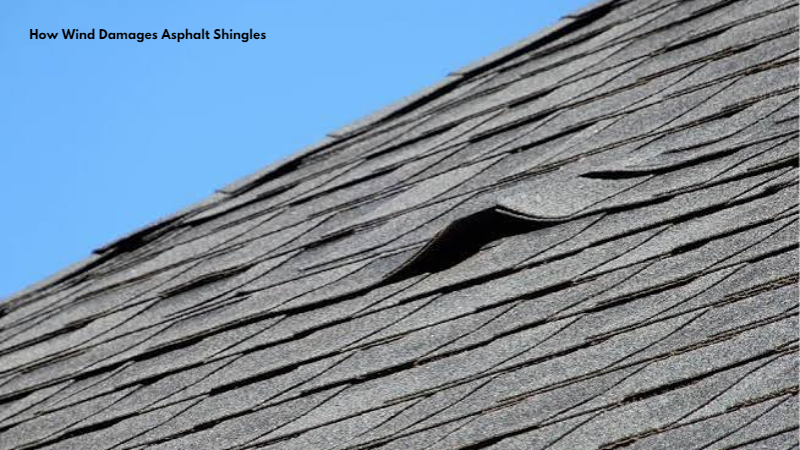
When powerful winds move across your roof, they create upward pressure that pulls against the edges of the shingles. If the wind is strong enough, shingles may lift, bend, or tear away completely.
Once the seal between shingles is broken, the surrounding shingles become more vulnerable during future storms.
This chain reaction often causes roof damage to spread across larger sections of the roof.
Why Older Roofs Are More Vulnerable
Asphalt shingles naturally age over time.
Years of exposure to sunlight, rain, snow, and changing temperatures slowly reduce their flexibility.
Older shingles are more likely to:
- Crack
- Curl
- Lose granules
- Become brittle
- Lift during high winds
Even moderate windstorms can damage aging roofing materials that have reached the end of their expected lifespan.
Missing Shingles Leave Your Roof Exposed
When shingles blow off, the protective layers underneath become exposed to the elements.
Without proper protection, rainwater can reach:
- Roof decking
- Underlayment
- Insulation
- Interior ceilings
- Wall framing
Even one missing shingle can allow water to enter your home over time.
Wind Can Damage More Than Shingles
Although shingles receive most of the attention, strong winds may also damage:
- Ridge caps
- Flashing
- Roof vents
- Gutters
- Fascia boards
- Soffits
A complete roof inspection should evaluate every part of the roofing system after a severe storm.
Signs of Wind Damage
After a windstorm, inspect your property from the ground.
Look for:
- Missing shingles
- Lifted shingles
- Curled edges
- Roofing debris in your yard
- Loose flashing
- Bent gutters
- Fallen tree branches
Inside your home, watch for ceiling stains, damp insulation, or water spots that may indicate hidden leaks.
Hidden Damage Is Common
Some wind damage cannot be seen from the ground.
Professional roofing inspections often uncover:
- Broken shingle seals
- Lifted shingles
- Damaged underlayment
- Flashing separation
- Loose fasteners
- Small leaks
These problems can worsen over time if left unrepaired.
Preventing Wind Damage
While no roof is completely storm-proof, homeowners can reduce the likelihood of damage by:
- Scheduling annual roof inspections
- Replacing damaged shingles promptly
- Trimming nearby trees
- Cleaning gutters regularly
- Repairing flashing
- Addressing loose roofing materials
Routine maintenance helps keep your roof prepared for severe weather.
When Repairs May Not Be Enough
If your roof has experienced repeated wind damage over several years, ongoing repairs may become less effective and more expensive.
Older roofs that continue losing shingles after storms often have widespread deterioration that extends beyond isolated repairs.
If you’re deciding between another repair and a more permanent solution, see your next move to better understand when replacing your roof may offer greater long-term protection.
Modern roofing systems are designed with improved wind resistance and can provide enhanced durability, better energy efficiency, and longer-lasting performance.
How Professional Inspections Help
A professional roof inspection after severe weather can identify damage before leaks develop.
An inspection may include:
- Shingle evaluation
- Flashing inspection
- Vent assessment
- Gutter inspection
- Roof decking evaluation
- Moisture detection
Early detection often prevents more expensive repairs later.
Frequently Asked Questions
How much wind can asphalt shingles withstand?
Wind resistance depends on the type of shingles installed. Many modern architectural shingles are designed to withstand significantly higher wind speeds than older roofing materials.
Can wind damage shingles without blowing them off?
Yes. Wind can lift shingles enough to break their adhesive seal without removing them completely. This hidden damage may shorten the roof’s lifespan.
Should I inspect my roof after every windstorm?
After severe storms, it’s a good idea to inspect your property from the ground and schedule a professional inspection if you suspect damage. You can also see Decorad House for more informations.
How quickly should wind damage be repaired?
As soon as possible. Prompt repairs help prevent water intrusion and additional damage during future storms.
Final Thoughts
Wind is one of the leading causes of roof damage, especially for aging asphalt shingles. By recognizing the warning signs, scheduling regular inspections, and addressing problems quickly, homeowners can extend the life of their roofs and avoid costly repairs. Investing in routine maintenance today can help ensure your roofing system continues protecting your home through every season.
Topic: How Wind Damages Asphalt Shingles