The Problem
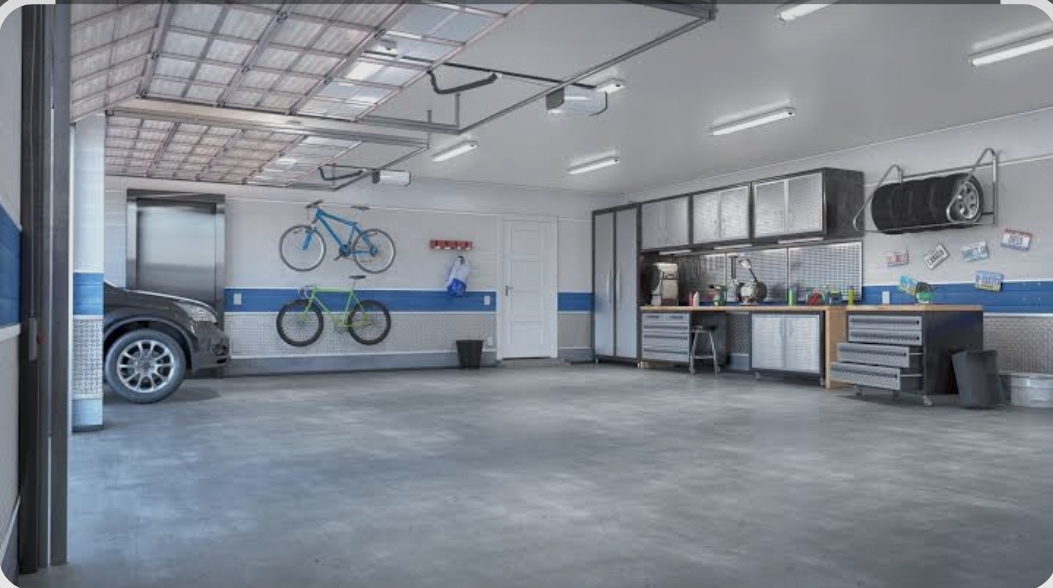
Most garages rely on a single overhead bulb installed decades ago, long before the space became a workshop, storage hub, and entry point for kids coming home from school. That single fixture rarely provides enough light to see loose tools, bike pedals, or a stray extension cord near the door. Parents often notice the dim corners only after someone trips over a forgotten backpack or a bin of holiday decorations. The garage doubles as a mudroom in many houses, yet it gets treated like an afterthought when it comes to lighting design. Poor visibility in this transition space creates a daily hazard that most families accept without question.
The problem compounds during winter months when garages go dark earlier in the evening and families are shuffling in and out with groceries, sports equipment, and school projects. Shadows hide clutter, and dim bulbs make it harder to spot spills or oil stains on the floor. Older fixtures also tend to flicker or dim over time, which adds another layer of frustration for anyone searching for keys or a specific tool. A garage that feels unsafe at night discourages parents from letting older kids use the space independently for hobbies or chores. Left unaddressed, this lighting gap turns a functional part of the home into a spot everyone tries to avoid after dark.
The Approach
Solving this problem starts with treating the garage as a real living space rather than a storage afterthought. Many families find success by mapping out how the garage gets used throughout the day, from morning drop-offs to evening workshop time, before choosing new fixtures. Upgrading to modern garage light fixtures designed for wider coverage and brighter output can eliminate the dark corners that cause most accidents. Instead of relying on a single centered bulb, spreading light across the ceiling or adding task lighting near workbenches changes how the entire room functions. This shift also makes it easier for kids to find shoes, sports bags, or bikes without stepping on something unseen. Beyond safety, better lighting changes how families actually use the garage. A well-lit space encourages parents to set up folding tables for weekend projects or let teenagers work on bikes without needing a flashlight.
Motion-activated options add another layer of convenience, since hands are often full when walking in from the car.
Some households also add lighting near stairs leading into the house, which reduces the risk of missteps when carrying groceries or laundry baskets. The goal is not a dramatic renovation but a practical adjustment that matches how the space gets used every day.
What to Look For
When shopping for new fixtures, brightness output matters more than most people expect. Garages benefit from higher lumen counts than living rooms or bedrooms, since the space often lacks natural light and needs to support detailed tasks like tool repair or car maintenance. Fixtures rated for cooler color temperatures tend to make it easier to spot small items on the floor or shelves. Durability also plays a role, since garages experience temperature swings and dust that indoor fixtures rarely face. Choosing options built for that kind of environment prevents early failure and repeated replacement costs.
Energy efficiency is another factor worth weighing carefully, particularly for families running garage lights for several hours each evening. Reviewing ENERGY STAR lighting guidance before making a purchase helps clarify which fixtures offer long-term savings without sacrificing brightness. Look for products with clear lifespan ratings and warranty coverage, since garage fixtures often run longer than lights in other parts of the house. Installation ease matters too, especially for households handling the project without professional help. A little research upfront saves both money and frustration down the road, and it keeps the garage functioning as the practical, safe space families actually need.