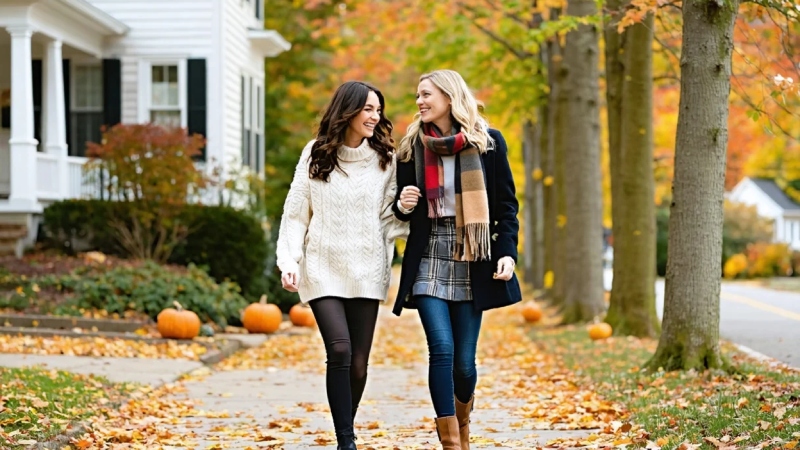
Autumn is arguably the best walking season in Britain. The crowds thin out, the light goes golden, the ground firms up after summer, and the midges finally give up. It’s also the season most likely to send you home cold, soaked and swearing you’ll stick to the pub next time — usually because of one or two gaps in your kit rather than anything dramatic.
Here are nine items worth getting right before the clocks go back.
A waterproof jacket you actually trust
Autumn rain in the UK is rarely a downpour. It’s four hours of persistent drizzle with a wind behind it, which is far more testing for a jacket than a summer thunderstorm. Look for taped seams, a hood that adjusts properly around a hat, and pit zips or a mesh lining to dump heat on climbs. Brands like Rab, Montane and Páramo have built their reputations on exactly these conditions.
Boots that fit, not boots that look right
The single biggest cause of a ruined day out is footwear. Feet swell over a long walk, and a boot that felt fine in the shop at 10am can be agony by mile eight. This is where buying in person genuinely beats buying online — a proper fitting session with someone who watches you walk is worth an hour of your time. Outdoor specialists such as Taunton Leisure offer free footwear fittings across their Southwest stores, which is a sensible first step before committing to a pair of Meindl, Scarpa or Lowa boots you’ll be wearing for years.
Merino socks (and a spare pair)
Cotton socks hold water, and wet feet in October are how blisters and hot spots start. Merino wool regulates temperature, resists odour and stays reasonably warm even when damp. Keep a dry spare in a sandwich bag at the bottom of your pack — it’s the cheapest morale boost in walking.
A mid layer that breathes
Autumn temperatures swing wildly between a sheltered valley and an exposed ridge. A grid fleece or lightweight synthetic hoody lets you keep moving without soaking your base layer in sweat, and it dries far quicker than a heavy fleece if you do overheat.
Waterproof overtrousers
Nobody enjoys putting these on. Everybody is glad they packed them. Look for full-length or three-quarter side zips so you can get them on over boots without balancing on one leg in a bog.
A head torch — yes, even for a day walk
Sunset creeps forward roughly two minutes a day through autumn. A walk that finished comfortably in daylight in early September will end in dusk by mid-October. A compact 200-lumen torch weighs almost nothing and turns a potential mountain rescue call into a mild inconvenience. Check the batteries before you leave.
Map, compass and the ability to use them
Cold weather drains phone batteries quickly. Low clouds on Exmoor or Dartmoor can hide landmarks. Carry a paper OS map in a waterproof case. Bring a baseplate compass. Learn how to take a bearing before your trip. It’s a two-hour skill that lasts a lifetime.
A vacuum flask
A hot drink at the summit does something for morale that no energy bar can match. It also matters practically: warm fluids help maintain core temperature during a long stop, and you’re more likely to keep drinking when it isn’t ice-cold.
A dry bag for the things that must stay dry
Rucksacks are water-resistant, not waterproof, and rain finds its way through zips and seams. Line your pack or use a few dry bags for your spare layers, your phone and your car keys. Discovering your only warm mid layer is soaked is a genuinely serious problem on a cold hill.
The short version
Almost none of this is about spending more — it’s about the specific things that fail in British autumn conditions: wet feet, early darkness, and layers that can’t cope with stop-start temperature swings. Fix those four and the season looks after itself.
One last thing: tell someone your route and rough return time. It costs nothing and it’s the item most people forget. Visit Parenting Tips for more details.